A great American
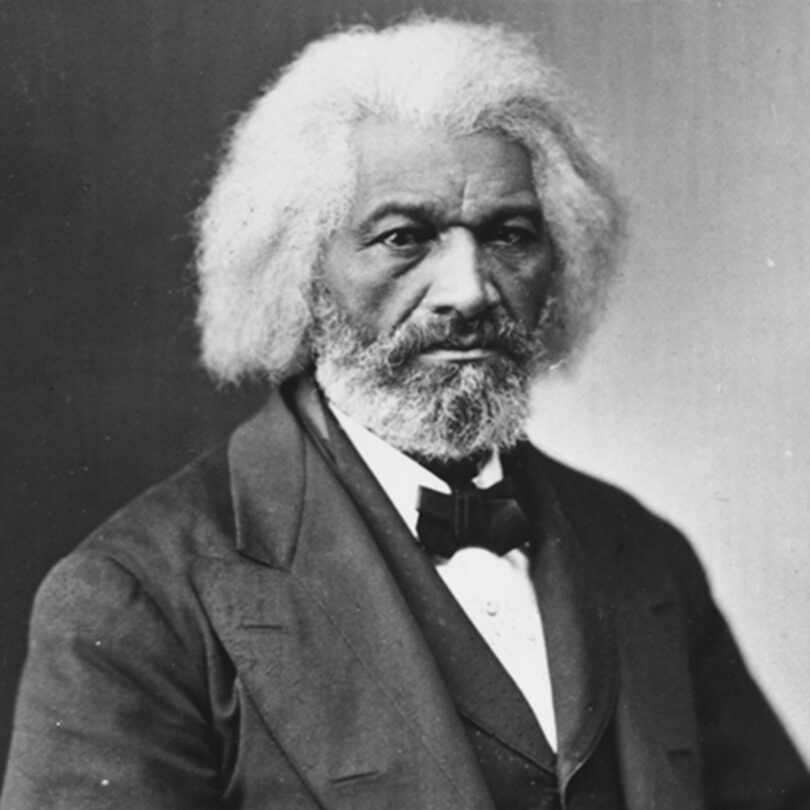
On Valentine’s Day we remember those we love. Possibly, though, we should find time on that date to remember a great man, speaker, activist, statesman, and writer: Frederick Douglass. History shows that in 1877 Douglass met with Thomas or Hugh Auld, a shipbuilder in Baltimore and a man who once “owned” Douglass when Douglass was being passed around as a slave. The two reportedly reconciled, bringing respect into the relationship. For me, respect precedes love and might be more important.
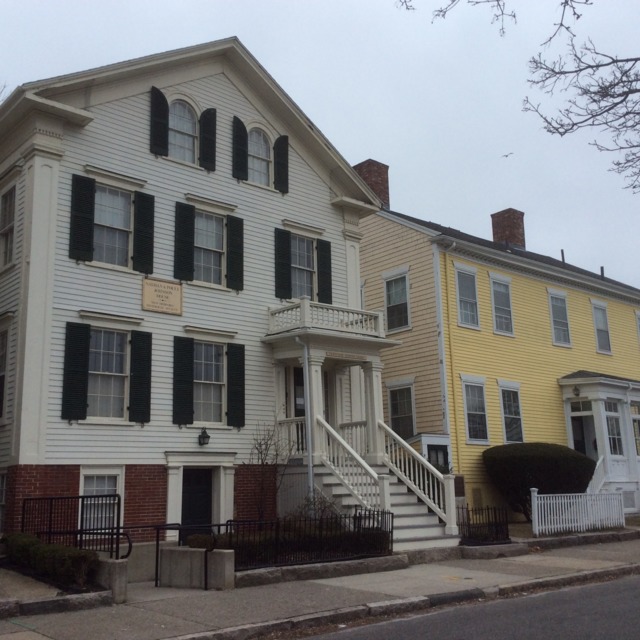
Frederick Douglass was born Frederick Augustus Washington Bailey on February 14, 1818. Douglass simply walked away from slavery while working in a Baltimore shipyard on September 3, 1838. Traveling by train, then steamboat, then train, he arrived in New York City the following day. Several weeks later he had settled in New Bedford, Massachusetts, living with his newlywed bride whom he met in Baltimore and married in New York. He took the name Frederick Douglass to keep slave hunters at bay.
Douglass was separated as an infant from his slave mother and never knew his white father. He lived with his grandmother on a Maryland plantation until he was eight years old, when his owner sent him to Baltimore to live as a house servant with the family of Hugh Auld. Auld’s wife was defying state law by teaching Douglass to read. Auld, however, declared that learning would make him unfit for slavery.
At 16 he was returned to the plantation to Edward Covey, a farmer who was known for his brutal treatment of the slaves in his charge. Douglass was regularly whipped by Covey and later he was hired out in Baltimore as a ship caulker. Frederick tried to escape with three others in 1833, but the plot was discovered before they could get away. Five years later, however, he fled to New York City and then to New Bedford.
He was described by abolitionists as a living counter-example to slaveholders’ arguments that slaves lacked the intellectual capacity to function as independent American citizens. But even Northerners at the time found it hard to believe that such a great orator had once been a slave.
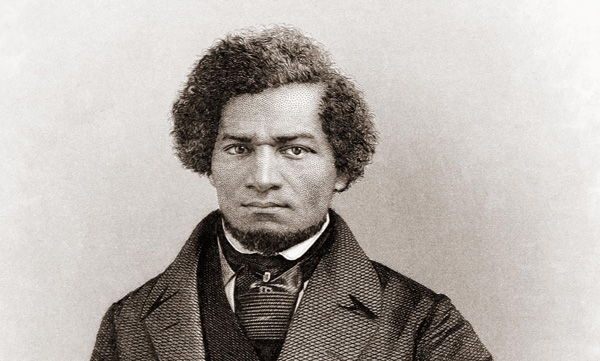
Douglass wrote several autobiographies describing his experiences as a slave. In his 1845 autobiography, “Narrative of the Life of Frederick Douglass, an American Slave”, became a bestseller and was influential in promoting the cause of abolition, as was his second book, “My Bondage and My Freedom” (1855).
After the Civil War, Douglass remained an active campaigner against slavery and wrote his last autobiography, “Life and Times of Frederick Douglass”. First published in 1881 and revised in 1892, three years before his death, it covered events during and after the Civil War.
Douglass was always striving to educate himself. He joined various organizations in New Bedford, including a black church. He subscribed to William Lloyd Garrison’s weekly journal, The Liberator. Douglass and Garrison worked together on abolitionist issues but Garrison proved to be much more of a radical even while mentoring Douglass. Garrison denounced churches, political parties, even voting. He believed in the dissolution of the Union. He also believed that the U.S. Constitution was a pro-slavery document.
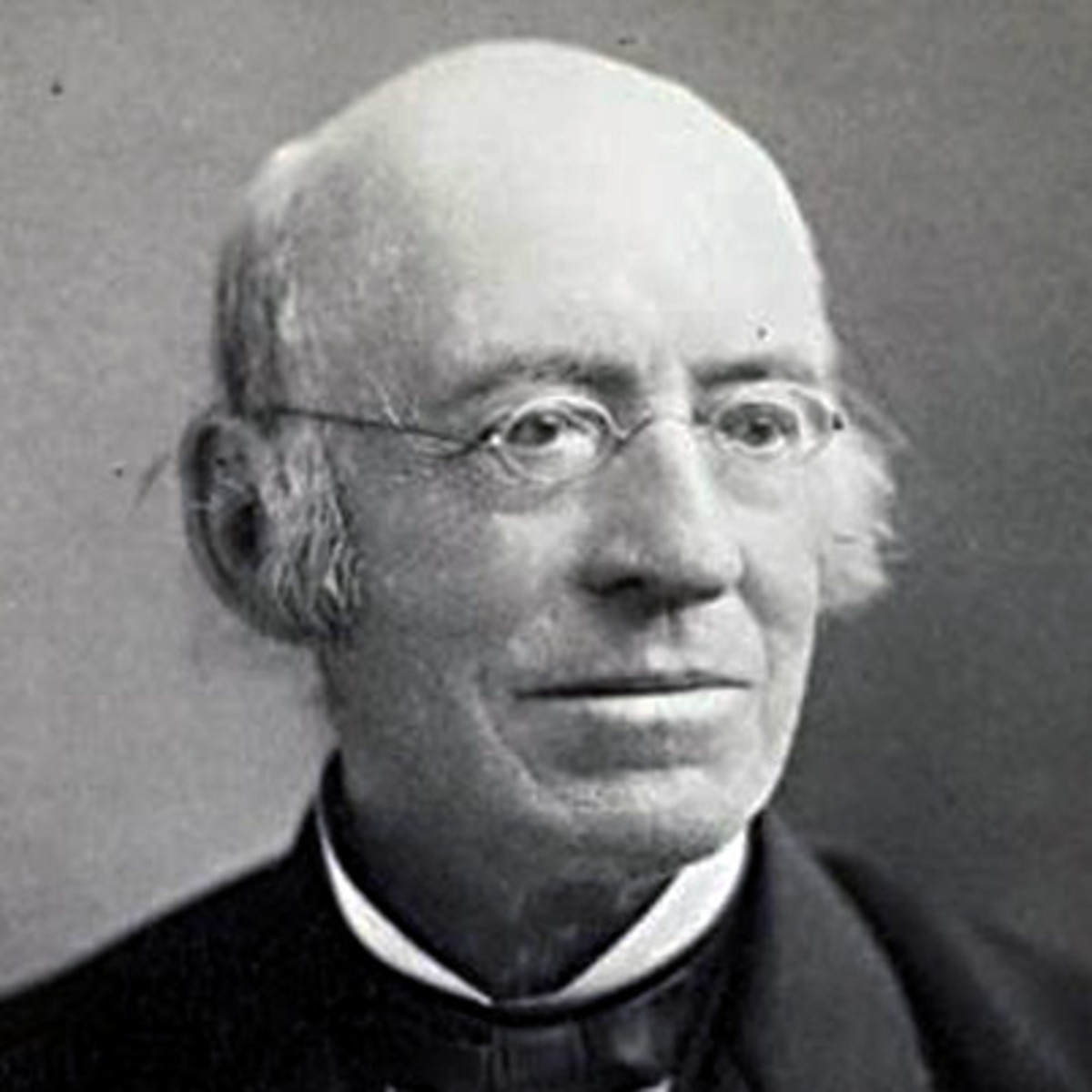
After a tour of Europe, Douglass’ views began to change. He was becoming more of an independent thinker, more pragmatic, even publishing his own antislavery newspaper, The North Star, from 1847 to 1860 in Rochester, New York. In 1851 Douglass announced at a meeting in Syracuse, New York, that he did not assume the Constitution was a pro-slavery document, and that it could even “be wielded in behalf of emancipation,” especially where the federal government had exclusive jurisdiction. Douglass also did not advocate the dissolution of the Union, since it would isolate slaves in the South. This led to a bitter dispute between Garrison and Douglass that, despite the efforts of others such as Harriet Beecher Stowe to reconcile the two, would last into the Civil War.
Among his other firsts: In 1888, during the Republican National Convention, he became the first African American to receive a vote for President of the United States. Ultimately, though, Benjamin Harrison received the party nomination and went on to become the 23rd President of the United States.
Douglass remained an active speaker, writer and activist until his death in 1895. He died after suffering a heart attack on his way home from a meeting of the National Council of Women, a women’s rights group still in its infancy at the time, in Washington, D.C.